
What Personal Account Info Should I Have In Order Before I Die?
Starkson Admin • February 2, 2026
Not sure what information your family will need? Here's a great list to start with.

Having the following information in place will make a difficult situation easier for your family after you pass. Keep these documents in a safe place and make sure you tell someone where you keep them. These can be paper documents or files on an external hard drive.
Here are just a few of the important documents you should have on hand. A comprehensive list is available on our website HERE.
- Bank account information and ATM cards
- Birth certificate & Social Security card or #
- Credit card information
- Deed or mortgage
- Funeral or memorial information
- Insurance policies for health, life, long term care, business, property, vehicle
- Investment records for stocks, bonds, 401K, IRA, etc.
- Will and/or living will
Don't leave your family unprepared. Make sure all pertinent documents are updated and available when they need them. Your family will thank you!

A step-by-step guide to writing a meaningful obituary, from Starkson Family Life Celebration Chapel in Hastings, MN

What actually happens at a cremation facility, why an on-site crematory matters, and what to ask when choosing a transparent provider | Starkson Family
Here's a look at how we support families from that very first phone call all the way through the final goodbye. | Starkson Family Life Celebration Chapel
Sometimes the smallest, most personal touches end up mattering the most. Make your loved one's service truly unique with Starkson Family in Hastings, MN.
When your wishes are documented, your family doesn't have to wonder, debate, or feel guilty about decisions made under pressure. Starkson Family in Hastings, MN
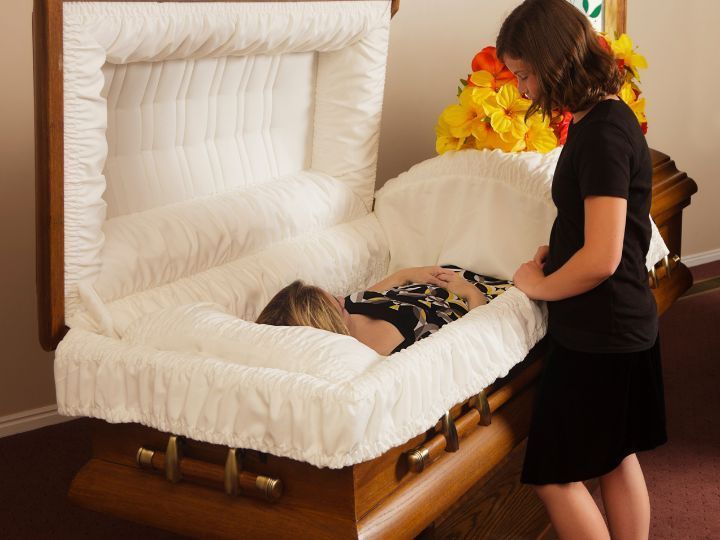
If you have never attended one before, the idea of a funeral visitation or a funeral reception can feel a little intimidating. What do you say? What do you wear? Is there a "right" way to act? Take a breath. These gatherings are simply opportunities for family and friends to come together, lean on one another, and honor someone who mattered. Once you know what to expect, walking through the door gets a lot easier. Whether you are preparing to host one of these gatherings for your own family or attending to support someone you love, here is a friendly walkthrough of what happens in funeral visitation and what happens in funeral receptions, along with a few things worth thinking through ahead of time. What Happens in a Funeral Visitation A funeral visitation, sometimes called a wake or a viewing, is usually held the day before the funeral service and/or sometimes a few hours before the funeral itself. It can take place at a church or the funeral home, often in a comfortable chapel or visitation room, and it gives family and friends a chance to pay their respects in a more relaxed, less structured setting than the funeral itself. Here is generally how it unfolds: Arrival and greeting : Guests sign a guest book near the entrance, then make their way toward the immediate family, who are often standing near the casket or urn in what is sometimes called a receiving line. This is the moment to offer a hug, a handshake, or a few words of sympathy. You do not need a perfect speech. "I am so sorry for your loss" or "I am thinking of you" is always enough. Viewing: If the family has chosen a traditional service, the casket may be open or closed depending on their wishes. Guests who wish to view the deceased can do so quietly before stepping aside for others. Time to gather: Beyond the receiving line, a visitation is really just time and space. Guests mingle, share stories, look through photo boards or memory tables, and offer comfort to one another. There is no formal program, which is exactly the point. It is meant to feel personal and unhurried. Length: Visitations typically run one to three hours, though families can choose what works best for them. Some hold a single evening visitation; others add a short visitation period directly before the funeral service the next day. What Happens in Funeral Receptions A funeral reception, sometimes called a repast or a gathering, usually takes place after the funeral or memorial service. Think of it as the natural next chapter: the formal goodbye has happened, and now everyone needs a place to simply be together. Here is what you can typically expect: A shift in tone: Receptions tend to feel a bit lighter than the service itself. Conversation often turns to favorite memories, funny stories, and the kind of laughter that helps people heal. It is completely normal, and even welcomed, to smile or laugh at a reception. A shared meal: Food is almost always part of the picture, whether that is a full meal, light refreshments, or coffee and dessert. We will talk more about that below. An open, informal structure: Unlike the funeral service, a reception rarely has a program. Guests come and go, sit where they like, and spend time with whoever they need to see. Some families set out photo displays, a memory book, or a slideshow so guests can reminisce together. Where it is held: Receptions can take place right at the funeral home, in a church fellowship hall, at a family member's home, or at a banquet space. The location often depends on the size of the gathering and the family's preference. Things Worth Considering When Planning One Every family is different, and a thoughtful visitation or reception reflects the person being remembered. Here are a few areas worth thinking through. Cultural and religious traditions. Many cultures and faiths have their own customs around visitations and receptions, from specific prayers and readings to particular foods, clothing, or timing. If your family observes traditions tied to your faith or heritage, let your funeral home know early so they can help build the gathering around those customs respectfully. Food and refreshments. Decide early whether you want a full meal, a simple spread of snacks and coffee, or something in between. Many families ask guests to contribute a dish, while others hire a caterer or use a church or community group that specializes in funeral meals. Either way, food gives people a reason to stay a little longer and talk a little more, which is often exactly what grieving families need. Family roles and involvement. Grieving family members are not expected to do it all. Lean on relatives and close friends to greet guests, set up photo displays, manage the guest book, or coordinate food and cleanup. Assigning even a few small tasks ahead of time can take real pressure off the immediate family during an already exhausting week. Choosing a funeral home you trust. The right funeral home does more than provide a space. A good team helps you think through timing, guest flow, seating, food logistics, and the small details that make a visitation or reception feel warm rather than stressful. At Starkson Family Life Celebration Chapel, our directors and staff walk alongside families to make sure every gathering reflects the life being honored, with dignity, respect, and genuine care at every step. A Few Gentle Reminders There is no single "correct" way to attend or host a visitation or reception. If you are attending, simply showing up means more than you might think. If you are planning one, give yourself permission to keep things simple. The goal is not a flawless event; it is a space where people who loved someone can sit together for a while. If your family is preparing for a visitation, funeral service, or reception and could use some guidance, we are here for you. Our team at Starkson Family Life Celebration Chapel serves Hastings and the surrounding Southeast Metro communities, and we would be honored to help you plan a gathering that truly honors your loved one's life. Reach out anytime, day or night, and let us help ease the path forward.
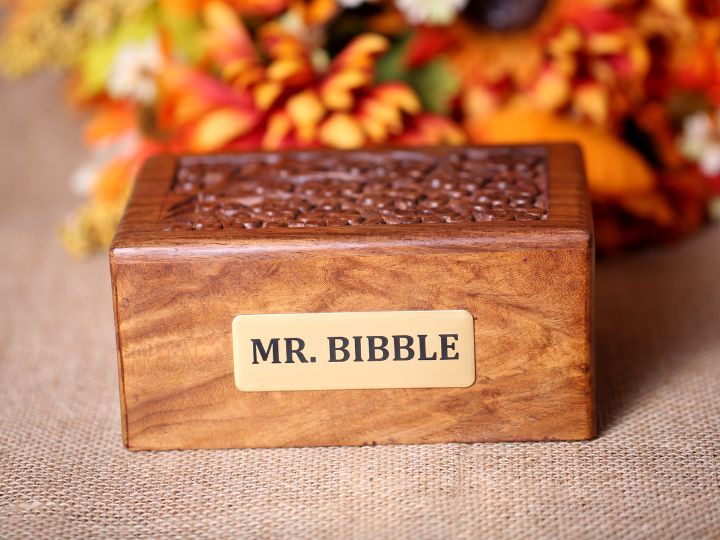
If you're searching for pet cremation in MN or trying to figure out what to do next, you're not alone — and you've come to the right place. Starkson Family

At Starkson Family Funeral Homes, we understand how much weight this decision carries — and we're here to help you navigate it with care, clarity, and compassion.
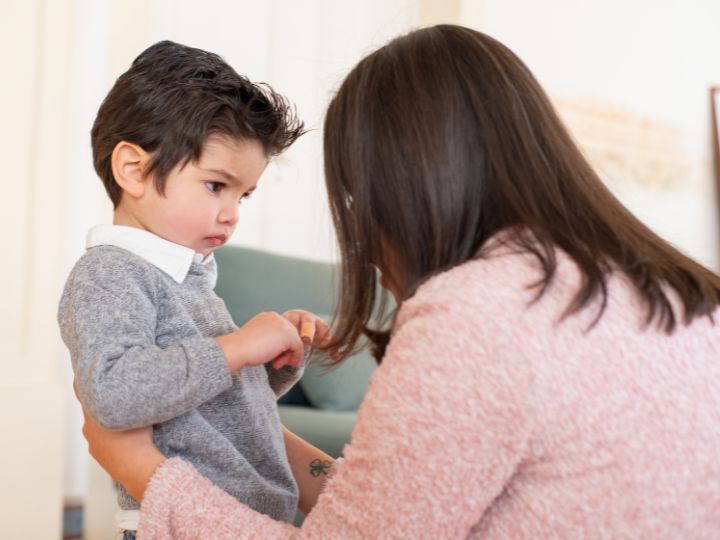
There are some thoughtful, proven ways to approach it that can make a real difference in how a child moves through grief. Starkson Family in Hastings, MN
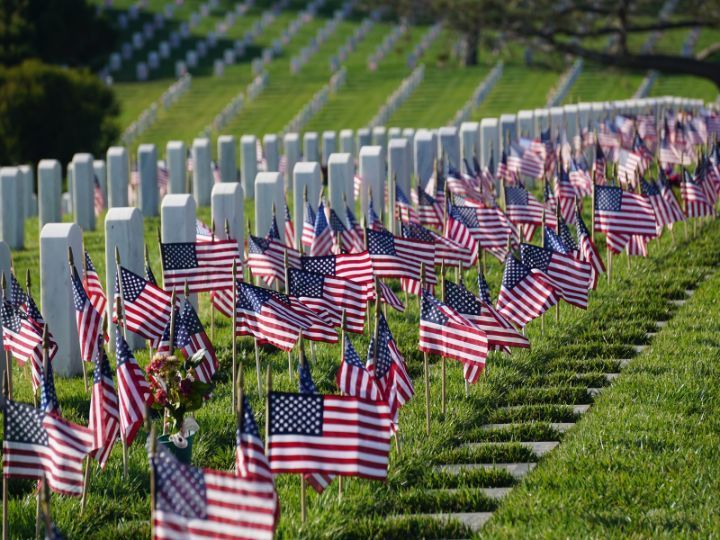
It's important to know that these benefits exist, because many families simply aren't aware of what their loved one is entitled to. Starkson Family | Hastings, MN