
Helping Children Understand a Death: Guidance for Parents and Grandparents

FCM Management • April 20, 2026

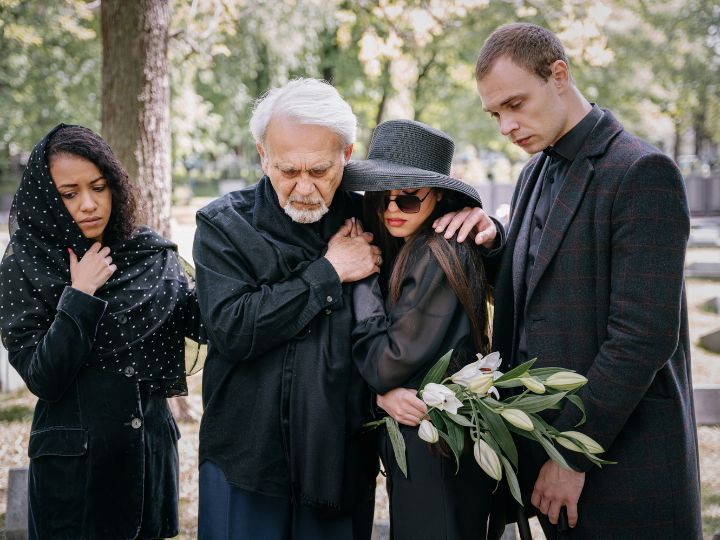
Losing someone you love is hard enough as an adult. But when there are children in your family — whether they're your kids, grandkids, or little ones you care for — you're suddenly faced with one of the most tender and daunting tasks a parent or grandparent can take on: explaining death in a way they can actually understand.


There's no perfect script for this conversation. But there are some thoughtful, proven ways to approach it that can make a real difference in how a child moves through grief.


It's Okay to Talk About It

First things first: don't avoid the subject. It's a natural instinct to want to protect children from pain, but research and grief counselors consistently agree that shielding kids from death — or using vague language to soften it — often does more harm than good.


Children are perceptive. They pick up on tears, hushed conversations, and changes in routine. If you don't explain what's happening, they'll fill in the gaps themselves, and their imagination can be far scarier than the truth.


The goal is to be honest, clear, and age-appropriate. You don't have to say everything at once. A short, simple, truthful explanation is far more helpful than a long, complicated one — or none at all.


Talking to Young Children (Ages 2–7)

For very young children, death is mostly understood as a separation. Someone they loved is suddenly gone, and that feels frightening. They may worry about being alone, cling to caregivers, or have trouble sleeping.


At this age, children often can't put their feelings into words — so they show them instead. You might see tantrums, clinginess, changes in eating or sleeping, or even regression like bed-wetting. These aren't signs that something is "wrong" with your child. They're normal responses to a confusing and scary situation.


What helps:

  • Use simple, direct language. Say "Grandpa died" rather than "we lost Grandpa" or "Grandpa passed away." Euphemisms can confuse young children who take things literally — they may wonder where Grandpa was lost and why no one is looking for him.
  • Keep their daily routine as consistent as possible. Routine is reassuring when everything else feels uncertain.
  • Offer extra comfort and closeness. Reassure them that they are safe and loved, and that the people who care for them are still here.
  • Answer questions honestly, even if your answer is simply, "I don't know."


Talking to School-Age Children (Ages 7–12)

By this age, children have begun to grasp that death is permanent. This realization can bring a new kind of fear — not just sadness, but worry that other people they love might also die. Some children become preoccupied with safety, or try hard to be "good" as a way of feeling in control.


You may also notice changes at school: trouble concentrating, difficulty following directions, or withdrawing from friends. This is grief showing up in the places where children spend most of their time.


What helps:

  • Give honest, age-appropriate explanations of what happened. Kids this age can handle more detail than toddlers, but they still benefit from simple, clear language.
  • Let them ask questions — even uncomfortable ones. "What happens to your body when you die?" or "Will you die too?" are hard to hear, but they deserve thoughtful answers.
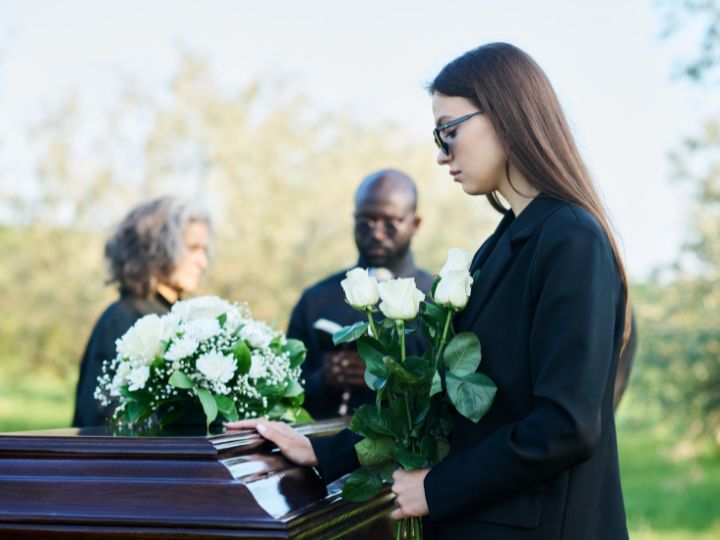
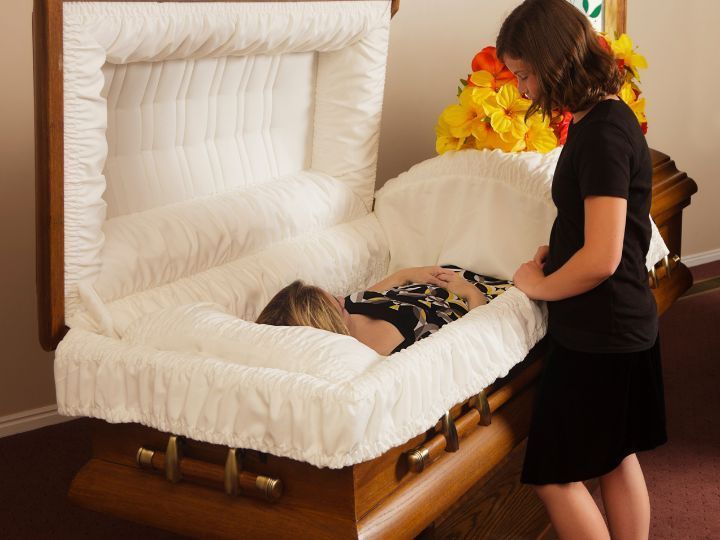
  • Involve them in the process if they're willing. Letting a child attend a visitation or funeral service, choose a flower, or write a note to be placed with the loved one can give them a meaningful way to say goodbye. Always give them the choice and never force participation.
  • Watch for signs of persistent anxiety or withdrawal, and consider reaching out to a school counselor or grief professional if needed.


Talking to Teenagers

Teenagers understand death much the way adults do — they grasp its finality, its randomness, and the depth of what's been lost. But they may not always show their grief in expected ways.


Some teens pull away and want to process things privately. Others may act out — taking risks, becoming defiant, or throwing themselves into distractions. These behaviors are often a way of coping with emotions that feel too large to hold.


It's also important to be aware that some teens may have thoughts of suicide when grieving a significant loss. Warning signs include a preoccupation with death, talking about suicide, or giving away prized belongings. If you notice these signs, please reach out to a mental health professional right away.


What helps:

  • Stay connected without hovering. Let your teen know you're available to talk, and check in regularly, but give them space to process at their own pace.
  • Be honest about your own grief. Teens respect authenticity. Seeing you grieve openly gives them permission to do the same.
  • Keep the lines of communication open. You don't have to have all the answers — sometimes just sitting together in the sadness is enough.
  • Encourage them to lean on trusted adults, a school counselor, or a grief group if they're struggling to open up at home.


A Few Things to Remember for All Ages

Let them see you grieve. You don't have to fall apart in front of your children, but letting them see that you're sad — and that it's okay to feel sad — is a healthy and important message. It teaches them that grief is a natural part of love.


Use the person's name. Talk about who they were, what they loved, and the memories you shared. Keeping the person's name alive in conversation helps children feel that the connection isn't lost, just changed.


Don't rush the process. Grief doesn't follow a schedule. Children may seem fine for a while and then suddenly have a hard day weeks or months later. That's completely normal.


It's okay not to have all the answers. Whether the questions are about what happens after death, where the person is now, or why this had to happen — you're allowed to say "I don't know" or "That's something a lot of people wonder about." What matters most is that you're in it together.


You Don't Have to Navigate This Alone

At Starkson Family Funeral Homes, we know that grief doesn't end when the service does — and it certainly doesn't look the same for everyone in your family. We're here to support you and your loved ones through every step of this journey.


Whether you're looking for guidance on how to involve children in a service, need resources for grieving families, or simply want someone to talk to, we're always available. Our team at our Hastings and Apple Valley locations is here with compassion, care, and a genuine desire to help your family heal.


If you have questions or just need to talk through your options, please don't hesitate to contact us. And visit our Children and Grief and Grief Resources pages for additional support.

You don't have to do this alone. We're here.


Veterans Honors and VA Burial Benefits: How Starkson Supports Military Families
By FCM Management April 6, 2026
If you're not sure where to start, you're not alone — and we're here to walk you through every step.
How Online Memorials and Tribute Videos Help Families Stay Connected
By FCM Management March 16, 2026
Losing someone you love is never easy. And in the days, weeks, and months that follow, one of the most meaningful things a family can do is find ways to keep that person's memory alive — not just for those who were there at the service, but for everyone who loved them, no matter where they are. That's where online memorials and tribute videos come in. More and more families are turning to these tools as a way to share their loved one's story, connect across distances, and create something lasting that future generations can return to. If you haven't thought much about this option yet, you're not alone. But once you understand what it involves and what it can mean for your family, it's hard not to see the value. What Is an Online Memorial? An online memorial is a dedicated digital space — often connected to an obituary page or a memorial website — where family members and friends can come together to honor a loved one. It can include photos, written tributes, a biography, and even video content. Think of it as a living, breathing tribute that isn't tied to one specific day or location. Unlike a printed obituary or a framed photo on the mantle, an online memorial can be accessed by anyone, from anywhere, at any time. Whether it's a cousin who couldn't make the trip from across the country or a childhood friend who only found out weeks later, an online memorial gives everyone a place to grieve, remember, and connect. Why Are So Many Families Choosing This Option? There are a few reasons why online memorials and tribute videos have become such a meaningful part of modern funeral planning. Families are more spread out than ever. Not everyone can get on a plane or drive hours to attend a service. An online memorial makes sure no one has to miss out on paying their respects just because of geography. Grief doesn't end after the funeral. The service is just the beginning of healing. Having an online space to return to — whether it's on the anniversary of a passing or just a quiet Tuesday when someone is missing their dad — gives families a place to go when words don't come easily. It creates something lasting. A tribute video or memorial page isn't just for right now. It becomes a piece of family history that children, grandchildren, and even great-grandchildren can look back on someday. That's a powerful thing. It allows for real personalization. Every person is unique, and a cookie-cutter service doesn't always capture who someone truly was. Online memorials make it easier to weave in the details that made your loved one them — their favorite music, their stories, the way they laughed. The Pros of an Online Memorial If you're weighing your options, here are some of the most important benefits worth considering: Accessibility for all. Friends and family who are elderly, ill, or simply far away can participate in remembering your loved one without the barriers of travel or physical attendance. A permanent place to gather. Unlike a service that lasts a few hours, an online memorial stays available. Family members can revisit it for years to come, adding their own memories and keeping the conversation going. Easy sharing. Once an online memorial is created, it can be shared with a simple link — through email, social media, or a text message. This makes it easy to notify people in your loved one's wider circle, even those you may not have contact information for. A space for contributions. Many memorial platforms allow friends and family to leave messages, upload their own photos, or share a memory. This turns a one-way tribute into a collective celebration of a life. Peace of mind during a difficult time. Knowing that a thoughtful, beautiful tribute exists — one that truly reflects who your loved one was — can bring real comfort when everything else feels overwhelming. What Makes a Great Tribute Video? A tribute video, sometimes called a memorial video or memorial slideshow, is one of the most personal ways to honor someone's life. When done well, it tells a story. It moves people. It captures the essence of who your loved one was in a way that words alone sometimes can't. Here are the most important things to consider when creating one: Choose photos that span their life. From childhood snapshots to recent memories, a great tribute video takes people on a journey. Don't just use formal portraits — candid moments, silly photos, and everyday scenes often mean the most. Let the music do some of the work. The right song can say everything. Think about your loved one's favorite music, or choose something that captures the mood and feeling of who they were. The music in a tribute video stays with people long after they've watched it. Keep it focused but complete. It doesn't need to cover every single year in equal detail. Focus on the moments, relationships, and chapters of life that defined them. Quality over quantity always wins here. Include video clips if you have them. Even a short clip of your loved one laughing, speaking, or just being themselves can be incredibly powerful. If you have home videos, don't overlook them. Make it shareable. Whether it's displayed at the service on a screen, posted to an online memorial page, or saved on a USB to share with the family — make sure it lives somewhere accessible after the service is over. At Starkson Family Funeral Homes , our staff can help create a tribute video slideshow that reflects your loved one's unique story. These can be displayed during the service and added to the online obituary page, so the whole family can revisit it whenever they need to. Important Things to Keep in Mind Before jumping in, there are a few practical things families should think through: Gather your photos early. The earlier you start collecting photos and materials, the more time there is to create something truly meaningful. Don't wait until the last minute. Think about privacy. Some families prefer a public memorial; others want something more private. Many platforms allow you to control who can view and contribute to the page. Coordinate with family members. If multiple people are contributing photos or memories, it helps to have one point person to organize everything so nothing gets lost or duplicated. Consider video formats. Ask about what formats are available — DVDs, USBs, digital files — so the tribute video can be preserved and shared in whatever way works best for your family. Don't overlook the small details. Dates, names, places — these matter. A tribute that's carefully and accurately put together reflects the respect and love you have for the person you're honoring. Talk to a Reputable Funeral Home First It can feel overwhelming to think about all of these options while you're already navigating grief. That's why one of the most important steps you can take is to sit down with a knowledgeable, compassionate funeral director who can walk you through everything that's available. At Starkson Family Funeral Homes, we understand that no two families are the same — and neither are any two services. Whether you're arranging a traditional burial , a cremation , or a celebration of life, we'll help you think through how an online memorial or tribute video can be woven into the service in a way that truly honors your loved one. We have multiple TV screens available at both of our locations to display tribute videos during the service, and our team can help create a slideshow that gets added directly to your loved one's online obituary. Video keepsakes — including DVDs, USBs, and photo books — are also available so your family has something tangible to hold onto and share for generations. If you have questions or would like to talk through your options, we're here. You don't have to figure this out alone. Starkson Family Life Celebration Chapel — Hastings, MN Starkson Family Anderson Chapel — Apple Valley, MN Call us at (651) 437-9419 or reach out online. We're here in your time of need, and we're honored to help your family find meaning, connection, and healing.
Understanding Graveside and Committal Services
By FCM Management March 9, 2026
If you have been wondering what these services involve, whether your family needs one, and what to consider when making this decision, this guide is here to help.
funeral service
By Starkson Admin February 28, 2026
The right choice is not about what others expect—it is about what feels appropriate for your loved one and supportive for your family.
funeral services
By Starkson Admin March 3, 2026
Planning a funeral is something most families hope they will not have to do for many years. Here is a practical checklist designed to help families move forward with confidence.
Close up of a social security card and birth certificate and credit card.
By Starkson Admin February 2, 2026
Wondering what documents you should have ready for your family before you die? Having these updated forms on hand will make things easier for them.
Cremation Services in Minnesota
By Starkson Admin January 27, 2026
Families across Minnesota are increasingly choosing cremation because it offers flexibility, dignity, and a wide range of meaningful memorial options.
Funeral Services
By Starkson Admin January 27, 2026
Families today approach funeral services with a wide range of expectations, emotions, and values.
A blank envelope and notecard. The writer needs ideas on what to write in a sympathy card.
By Starkson Admin January 15, 2026
Not sure what to write in a sympathy card? Find ideas, phrases, and messages to help you figure out what's right for you and the person receiving your card.
Hand holding many $100 dollar bills, fanned out
By Starkson Admin January 5, 2026
Why might your family spend more on your funeral if you didn't preplan? Emotion and impulse play a big role. Preplanning gives you time to decide what's best.