
Understanding Graveside and Committal Services

When planning a funeral, families often focus on the visitation and the main service — and understandably so. But there is another meaningful part of the farewell that sometimes gets overlooked: the graveside or committal service. If you have been wondering what these services involve, whether your family needs one, and what to consider when making this decision, this guide is here to help.
What Is a Graveside Service?
A graveside service is a ceremony held at the burial site, typically at the cemetery beside the open grave. It may serve as the primary funeral service — meaning no separate church or chapel service is held beforehand — or it can follow a funeral or memorial service as the final step of the farewell.
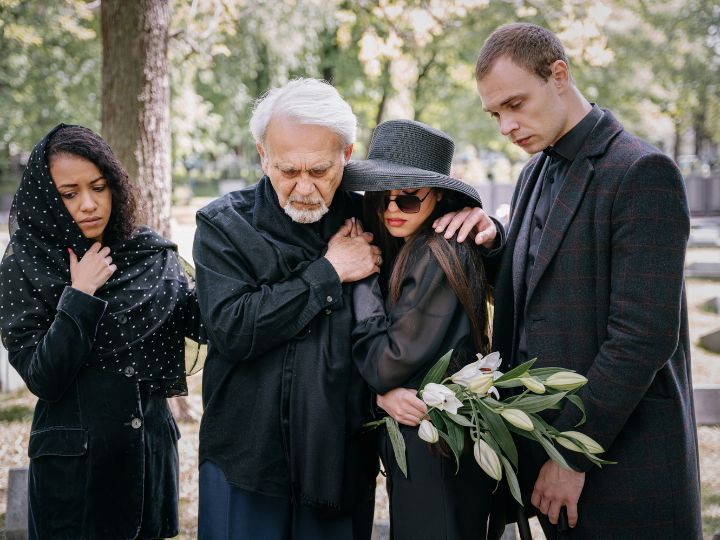
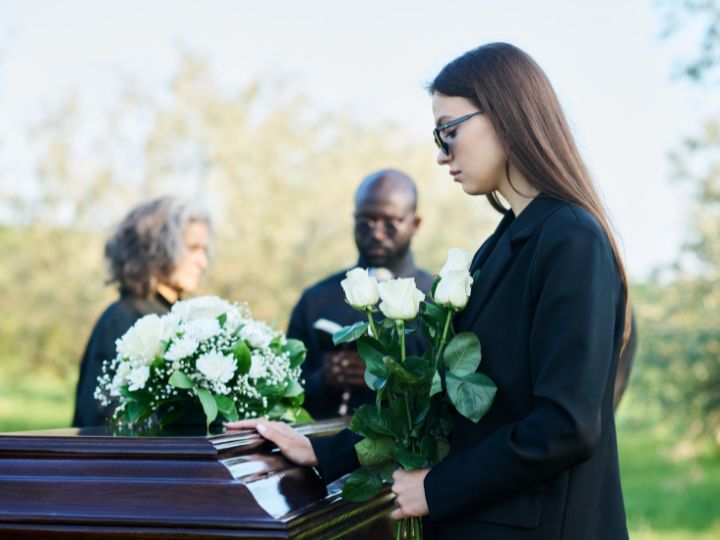
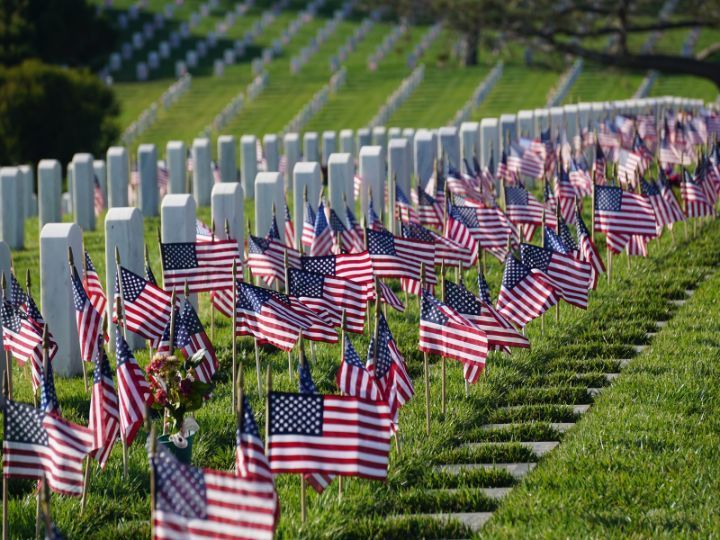
During a graveside service, family and friends gather at the gravesite to say their last goodbyes before the casket is lowered. The service can be as brief or as lengthy as the family wishes. It often includes prayers, readings, scripture, music, a short eulogy, or a moment of silence. Military honors, such as a flag presentation, may also take place at the graveside for veterans.
Graveside services tend to be more intimate by nature. The outdoor setting and the closeness of the burial site can make the moment feel especially personal and final — in the most meaningful sense of the word.
What Is a Committal Service?
The word "committal" refers to the formal act of committing the deceased to their final resting place — whether that is the ground, a mausoleum, a columbarium niche, or another permanent location.
In this sense, a committal service is the ceremonial moment when the body or cremated remains are officially laid to rest. It may be a brief, private affair attended only by immediate family, or it may be a more formal gathering. For families choosing cremation, a committal service might take place when the urn is interred at a cemetery, placed in a columbarium, or scattered in a meaningful location.
Think of the committal as the heart of the graveside service — it is the specific moment of final placement. Some families choose a full graveside ceremony around it; others prefer a quiet, private committal with just a few loved ones present.
Do You Need a Graveside Service?
This is one of the most common questions families ask. The short answer is: it depends on what feels right for you and your loved one.
A graveside service is not a legal requirement. However, many families find that having a structured moment at the burial site adds an important layer of closure that a chapel service alone cannot fully provide. It creates a clear, physical endpoint to the farewell — a moment when the family witnesses their loved one being returned to the earth.
Things to Consider When Deciding
Your loved one's wishes. Did they express a preference for a simple graveside service rather than a full funeral? Or did they want a formal chapel or church service followed by a procession to the cemetery? Honoring what they wanted is always a good place to start.
The size and nature of your gathering. Graveside services are naturally more intimate. If you are expecting a large number of attendees, a chapel service may be more practical. If the family is small or the service is meant to be private, a graveside service can be a beautiful, uncrowded way to say goodbye.
The weather and season. This may seem like a practical concern, but it matters — especially in Minnesota. An outdoor service in January is very different from one in June. Families should discuss with their funeral home whether the cemetery can accommodate tented or covered gatherings during colder months.
Distance from the funeral location. If your loved one's funeral service is held at a chapel far from the cemetery, a lengthy procession may not be feasible for all attendees. In some cases, families choose to hold just a brief graveside committal, rather than expecting everyone to travel.
Religious or cultural customs. Many faith traditions place great importance on witnessing the burial. For families where this carries meaning, the graveside or committal service is not optional — it is an essential part of the rite.
Budget. Graveside-only services tend to be simpler and, in some cases, more affordable than a full chapel funeral followed by cemetery committal. If cost is a consideration, this is worth discussing openly with your funeral director.
Why Have a Committal Service? The Benefits Worth Knowing
Even when families are uncertain about whether a graveside or committal service is necessary, most who choose to include one are glad they did.
Here is why these services tend to matter more than people expect.
They provide a clear sense of closure. Grief is complex, and closure is not something that happens overnight. But having a specific, witnessed moment of finality — watching the casket be lowered or the urn be placed — gives many people a tangible point of goodbye. This can be meaningful in the weeks and months of grieving that follow.
They create a shared memory. When family and friends gather at the graveside, they are not just saying goodbye to a loved one — they are doing it together. That shared experience becomes part of the story of how your family honored this person.
They offer a place to return to. For families choosing burial, the gravesite becomes a permanent place of remembrance. The committal service is the beginning of that relationship with the space — the first time the family gathers there, but not necessarily the last.
They are flexible. A committal service does not have to be elaborate. It can be as simple as a prayer, a reading, and a moment of silence. Families can make it entirely their own, incorporating music, poems, or personal tributes that feel meaningful.
They honor tradition. For many families, particularly those with strong religious or cultural ties, a graveside or committal service is not just meaningful — it is expected. Participating in these rituals can offer comfort precisely because they connect the family to something larger than themselves.
The Pros and Cons of Graveside and Committal Services
Like any decision in funeral planning, it helps to weigh both sides.
Pros
- Intimacy. Graveside services tend to feel personal and quiet, which many families find comforting.
- Clear closure. Witnessing the burial or interment provides a concrete moment of goodbye.
- Flexibility. They can stand alone or follow a chapel service, and can be as brief or meaningful as the family chooses.
- Inclusive of cremation. Committal services apply to cremated remains as well, giving cremation families the same sense of ceremonial closure.
- A lasting gathering place. For burial families, the graveside becomes a permanent location to visit and remember.
Cons
- Weather dependency. Outdoor services are subject to the elements, which can make attendance difficult in harsh conditions.
- Accessibility. Cemeteries may not always be easily accessible for elderly or mobility-impaired attendees.
- Emotional intensity. For some, the graveside moment feels overwhelming. Families should consider whether all attendees, especially children, are prepared for the experience.
- Logistics. If held separately from the main service, it requires additional coordination — especially if attendees are traveling from a distance.
- Limited space. Some cemetery sections may not accommodate large gatherings comfortably.
Graveside Services and Cremation: What to Know
Many families assume that graveside and committal services are only relevant when choosing traditional burial. That is not the case.
If cremated remains are being interred at a cemetery, placed in a columbarium niche, or buried in a family plot, a committal service can and often should take place. The same principles apply — gathering at the final resting place, marking the moment with ceremony, and witnessing the placement together.
For families who choose to scatter ashes at a meaningful location, a small informal committal gathering at that site can serve the same purpose. It does not need to be officiated by a clergy member or follow a prescribed format. What matters is that the family has a moment of intentional farewell.
The Importance of Consulting a Reputable Funeral Home
Every family's situation is different, and that is exactly why speaking with experienced funeral professionals matters so much. A reputable funeral home will never pressure you toward a particular choice. Instead, they will take the time to understand your family's values, beliefs, budget, and circumstances — and then help you understand all of your options clearly.
At Starkson Family Life Celebration Chapel, guiding families through decisions like these is something the team takes seriously and does with genuine care. Whether you are planning ahead or navigating an immediate loss, their licensed directors can help you think through whether a graveside service, a committal service, or a combination of both is right for your family.
Located in Hastings, Starkson Family serves families throughout the Southeast Metro. They are family-owned and operated, and they own and operate their own crematory, ensuring that your loved one remains in their professional care throughout the entire process.
If you have questions about graveside or committal services, or if you would like to talk through your family's options, Starkson Family is here to help.
- Starkson Family Life Celebration Chapel — Hastings, MN | office@starksonfamily.com
- Office phone: (651) 437-9419 (use this number for immediate need as well)
Planning ahead can make all the difference.